


Contemporary Spanish cuisine has deep Andalusian roots, sometimes without realizing it. For centuries, Al-Andalus introduced agricultural techniques, irrigation systems, and new ingredients that transformed the culinary landscape of the peninsula.

The use of almonds, citrus fruits, rice, saffron, and spices such as cumin and cinnamon arrived with Islamic civilization and still defines many traditional dishes. Sweets made with honey and nuts, aromatic stews, and the balance between sweet and savory flavors are reminiscent of a heritage shared with the Maghreb and the Levant.

In cities such as Cordoba and Granada, the confectionery tradition clearly echoes that influence. Even the taste for courtyards with orange trees and the generous use of olive oil are part of an agricultural culture that flourished under Andalusian rule.
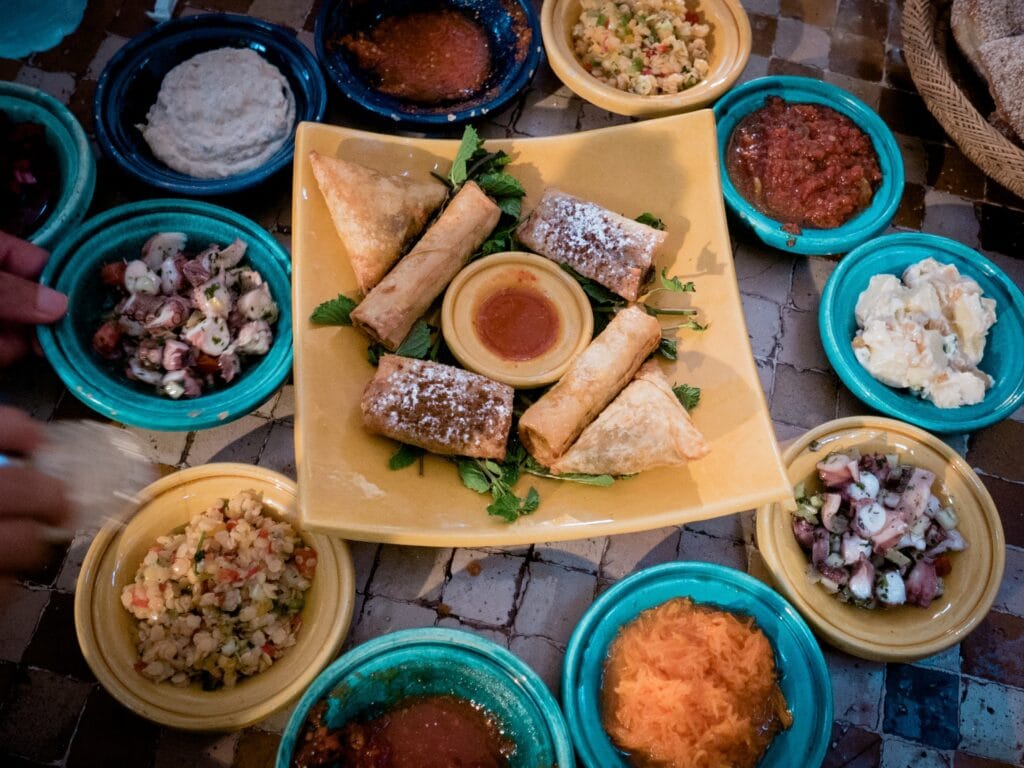
For Arab visitors, discovering Spanish cuisine does not mean exploring something completely different, but rather recognizing familiar flavors reinterpreted by time. It is a gastronomic experience that confirms that history is also transmitted at the table.