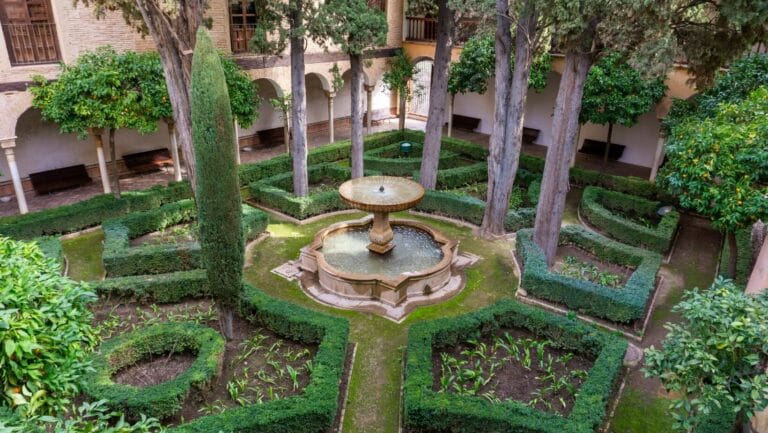
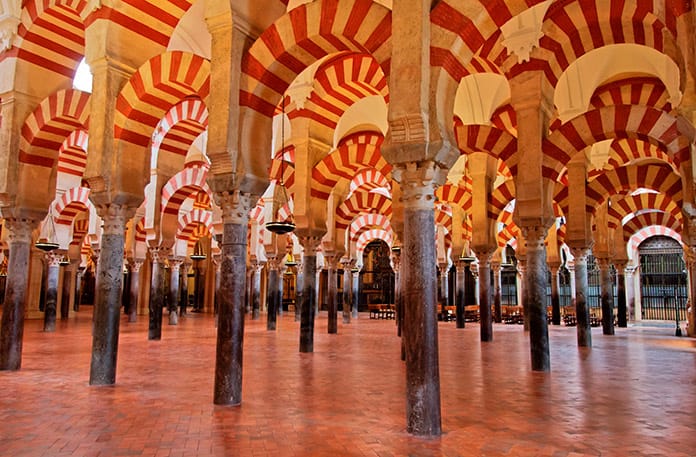

Andalusia occupies a special place in the Arab cultural imaginary. Not only because of its Islamic past, but also because that legacy lives on in its cities, landscapes, and traditions. To travel to Andalusia is to journey through what was once Al-Andalus, not as ruins, but as a visible heritage.
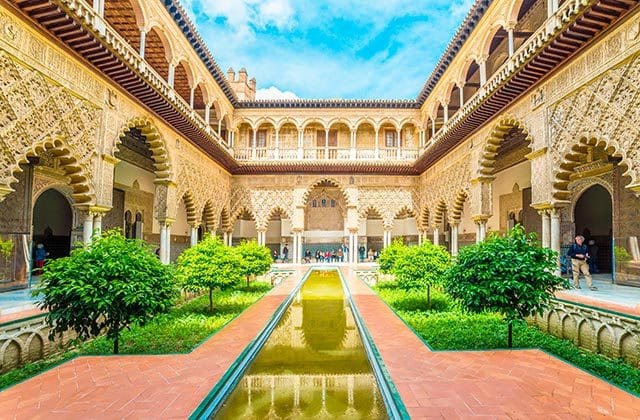
Granada, Cordoba, and Seville are home to some of the most visited sites by Arab tourists. The Alhambra, the Mosque-Cathedral, and the old Andalusian neighborhoods are not only perceived as monuments, but as testimonies to a civilization that profoundly marked the history of the Mediterranean.
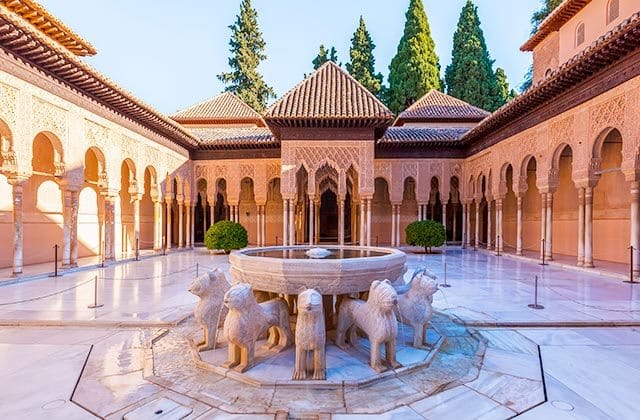
Andalusia also offers a sensory experience close to the Arab world: interior courtyards, fountains, gardens, narrow streets, markets, and a gastronomy where the use of spices, olive oil, and spoon dishes recalls cultural affinities.
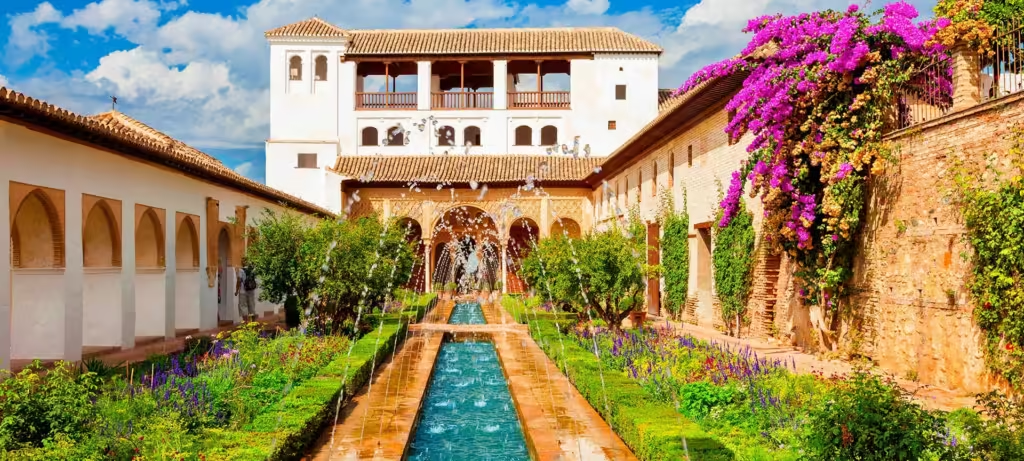
For Arab visitors, Andalusia is not just cultural tourism, but a symbolic reunion. A journey that combines history, beauty, aesthetic spirituality, and a pace of life that invites you to stay, observe, and understand.